Grandma's Village Is Calling — And Americans Are Finally Picking Up
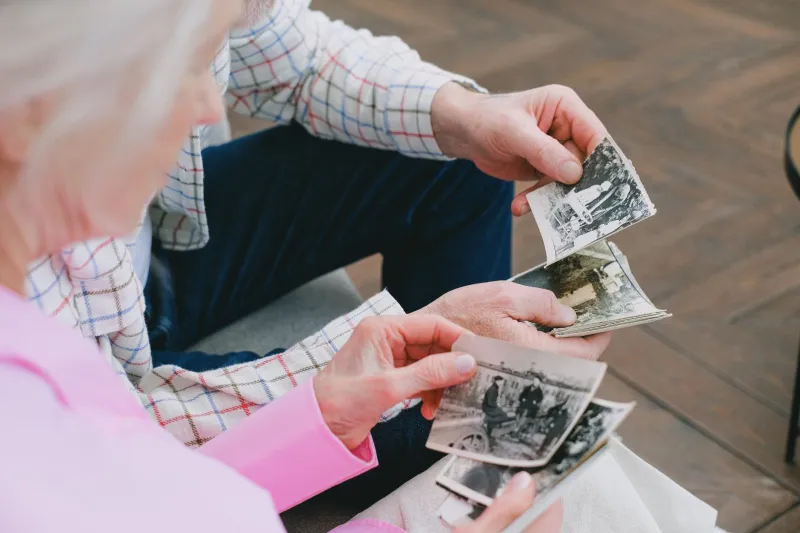
There's a particular kind of silence that falls over a traveler when they realize they're standing in the exact spot where someone they never met — but somehow carry inside them — once stood. Not at the Colosseum. Not in front of some UNESCO-certified wonder. In a village of maybe 400 people in rural Sicily, or a windswept coastal town in County Clare, or a forgotten corner of the Polish countryside where the road signs switch to a language you can't read but your last name sounds like it belongs there.
This is heritage tourism. And quietly, steadily, it's becoming one of the most meaningful travel movements happening right now.
It's Not a Vacation. It's a Reckoning.
Let's be clear about something: this kind of trip is different from your average two-week European tour. You're not there to check off a list of monuments or find the best aperitivo bar (though, honestly, that might still happen). You're there because something in your family history pulled a thread, and you followed it — across an ocean, through a stack of old documents, into a cemetery where the headstones have your grandmother's maiden name carved into them.
Americans have always had a complicated relationship with their origins. We're a nation built on people who left — often because they had to — and for generations, many families treated the old country as something to move on from, not move toward. But something is shifting. Maybe it's the rise of genealogy platforms like Ancestry and 23andMe that have handed millions of people a map they didn't know existed. Maybe it's a broader cultural hunger for depth in an age of surface-level everything. Whatever the reason, people are booking flights not to capitals and coastlines, but to places that barely appear on travel radar.
The Moment It Gets Real
Ask anyone who's done one of these trips and they'll pinpoint the exact moment it stopped being a curiosity and became something else entirely.
For some, it's finding a church record in a dusty parish archive with a handwritten name that matches the one on their family tree. For others, it's a stranger in a village square who looks at them sideways, then says — through a translator, or broken English, or sheer gesture — "You have the same eyes as old Marek who used to live here." One traveler described standing in the ruins of a farmhouse in western Ukraine that her great-great-grandparents had abandoned during a famine, and feeling, improbably, like she'd come home.
These are not the kinds of stories you come back with from a resort in Cancún. This is travel doing something it rarely gets credit for: cracking you open.
Why Small Villages Hit Different
Here's what nobody tells you about heritage travel: the destination is almost never impressive in the conventional sense. There's no stunning architecture, no Michelin-starred restaurant, no influencer-approved sunset spot. What there is, often, is a quietness that feels almost sacred. A pace of life that hasn't been optimized for tourists. People who are genuinely surprised — and sometimes genuinely moved — that someone crossed an ocean to find them.
In many of these communities, emigration left a wound that never fully healed. Entire generations left. Families were split across continents. When a descendant shows up a hundred years later, it's not just a curiosity for the locals — it's a kind of return that carries emotional weight on both sides of the reunion.
And the food. Let's talk about the food. When you eat in a place your ancestors actually ate — not a fancy restaurant interpretation of that cuisine, but the real, regional, hyper-local version of it — something clicks. There's a reason your grandmother made that dish. There's a reason certain flavors feel like memory even when they're brand new to you.
How to Actually Do This
Heritage travel takes more planning than a typical trip, but it's not as complicated as it sounds. Here's a rough roadmap:
Start with what you know. Even a surname and a vague country of origin is enough to begin. Genealogy websites, ship manifests, naturalization records, and old family documents can often narrow things down to a specific region or town.
Connect with local resources. Many countries have organizations specifically designed to help diaspora communities trace their roots. Ireland has dedicated genealogy centers in nearly every county. Poland, Italy, Greece, and many Eastern European nations have similar infrastructure. Some offer guided heritage experiences that combine archival research with village visits.
Hire a local genealogist. If you hit a wall — and you will — a local expert who knows the regional archives, speaks the language, and understands the historical context is worth every penny. They find things you'd never find on your own.
Go without a rigid agenda. This is one trip where leaving room for the unexpected isn't just good advice — it's essential. The best moments in heritage travel are the ones nobody planned. The neighbor who remembers your family name. The photograph in someone's hallway. The cousin three times removed who invites you to lunch and won't let you leave until dark.
What It Reveals About Why We Travel at All
At its core, heritage tourism is about belonging — which is maybe the most human need there is. Americans, more than most, live with a certain rootlessness. We move cities for jobs, scatter across states, and often know more about our Netflix queue than our family history three generations back.
These trips push back against that. They say: you came from somewhere specific. There are people who share your blood who walked specific roads, ate specific food, spoke a specific language. That specificity matters. It's yours, and you can go find it.
That's not nostalgia. That's not nationalism. It's something quieter and more personal — the simple, profound act of showing up in a place that shaped who you are before you ever existed, and letting it change you a little.
The world is full of famous places worth seeing. But some of the most worthwhile destinations on earth are the ones that were never famous at all — except to one family, across one century, that you happen to belong to.
Your great-grandparents left for a reason. Going back, it turns out, is a reason too.