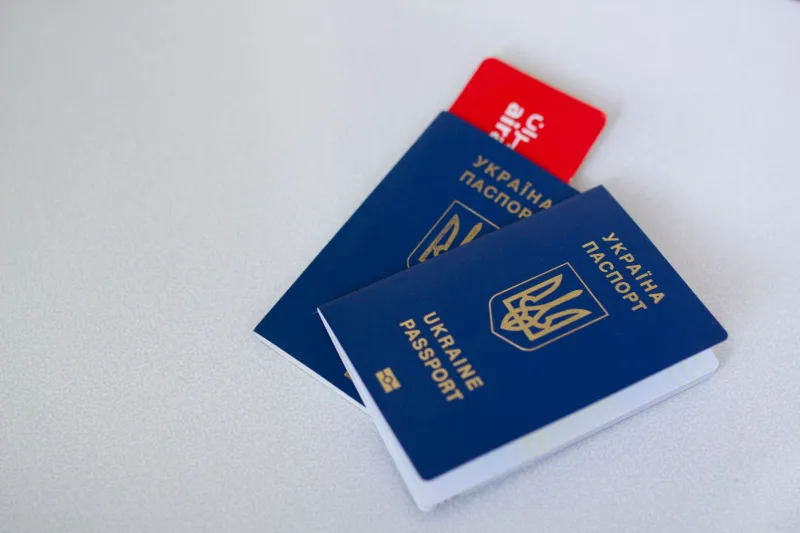
They Lived Abroad for Years — Then Came Home and Built Something Nobody Else Could

There's a particular kind of restlessness that hits returning expats about six months after they land back in the States. The jet lag is long gone. The novelty of familiar food has worn off. And somewhere between the grocery store's overwhelming cereal aisle and a customer service call that goes nowhere fast, it hits them: I can't unsee what I've seen.
For some people, that feeling fades. For others, it becomes a business plan.
Across the country, a quiet wave of Americans who spent years living internationally are channeling everything they absorbed abroad — the business models, the cultural values, the unexpected skills, the hard-won relationships — into companies built right here at home. What they're creating doesn't look like anything their competitors thought to make. And that's exactly the point.
The Education You Can't Get in a Classroom
Ask anyone who's lived abroad for more than a year and they'll tell you: the real learning doesn't happen in language classes or cultural orientation sessions. It happens when your landlord won't return your deposit and you have to figure out the legal system in a language you half-speak. It happens when you're trying to close a deal in a country where showing up exactly on time is considered rude, and nobody told you.
That kind of friction — constant, low-grade, humbling — builds something that business schools spend four years trying to manufacture in controlled environments. Adaptability. Real adaptability. The kind where you don't panic when the plan falls apart because the plan has fallen apart so many times before that you've gotten genuinely comfortable in the wreckage.
Returning expats talk about this a lot. They come home with a tolerance for ambiguity that their peers — people who've been building careers in familiar surroundings — often haven't developed. In startup culture, that's not a soft skill. That's survival gear.
Seeing the Gap Nobody Else Noticed
Here's one of the more interesting patterns among expat entrepreneurs: they tend to build businesses around things the US simply doesn't have yet — or has but does badly.
Someone who spent three years in Japan comes home and can't find a decent bento-style meal prep service that actually respects portion logic and ingredient balance. Someone who lived in Denmark notices that American workplace culture is burning people out in ways that Scandinavian management philosophy solved decades ago — and starts a consulting firm. Someone who ran a small guesthouse in Colombia comes back and launches a hospitality concept that treats budget travelers like guests instead of inconveniences.
The insight isn't always exotic. Sometimes it's just: I watched this work somewhere else, and I don't understand why nobody's doing it here.
That gap-spotting ability is sharpened by years of being an outsider. When you're living in another country, you notice how things work because you can't take anything for granted. You observe systems, rituals, and habits that locals have stopped seeing. Then you come home — and suddenly you're applying that same observational lens to your own country. America starts to look a little foreign. And that's when the ideas start.
The Network That Travels With You
One thing that rarely gets talked about in the expat entrepreneurship conversation: the people you meet abroad are often remarkable, and they tend to stay in your life.
Expat communities are strange, self-selecting groups. You're thrown together with people from wildly different backgrounds who share one thing — they all chose to be somewhere unfamiliar. That common thread creates fast, deep friendships. And those friendships become professional networks that span continents.
For returning entrepreneurs, this is a genuine competitive edge. They have suppliers, collaborators, advisors, and customers scattered across the world before they've filed their first LLC paperwork. They understand import logistics not as an abstract concept but as a thing they've personally navigated. They know people in the industry — in the actual country of origin — not just the American importer two steps removed from the source.
In a business environment where who you know still matters enormously, expats come home holding a Rolodex that most domestic entrepreneurs would need years to build.
What They Had to Unlearn
It's not all advantage, though. Returning expats who've built businesses are honest about the friction that comes from having lived outside the American context for too long.
Some find that their communication style has shifted in ways that read as strange to domestic colleagues — too indirect, too formal, too blunt, depending on where they lived. Others discover that their tolerance for slow, relationship-first business development (common in many parts of Asia, the Middle East, and Latin America) clashes hard with American investors who want traction metrics by month three.
And then there's the deeper identity stuff. You come back to a country that's changed while you were gone, to a culture that moved without you, and you're trying to build something in a landscape you understand intellectually but don't quite feel in your bones anymore. That disorientation can be creative fuel. It can also be genuinely disorienting.
The expat entrepreneurs who seem to thrive are the ones who've made peace with being slightly out of step. They've stopped trying to fully re-assimilate and started treating their outsider-ish perspective as the actual product.
The Thing They Couldn't Have Learned Any Other Way
If you press these founders on what, specifically, living abroad gave them that changed how they build a business, a few themes keep coming up.
Patience. Not the performative kind, but the genuine understanding that good things in most of the world take longer than Americans are comfortable with — and that the slowness is often what makes them good.
Humility. When you've been the person who doesn't speak the language, who misses the cultural cue, who looks foolish in ways you didn't anticipate, you stop assuming you're the smartest person in the room. That's useful in business. It keeps you listening.
And something harder to name — a kind of expanded sense of what's possible. When you've watched people build thriving businesses in places with less infrastructure, fewer resources, and more instability than anything the average American entrepreneur will ever face, your definition of "hard" shifts permanently.
They came home. They built something. And the world they'd been wandering around in for years turned out to be the best business school they never paid for.
The question isn't whether living abroad makes you a better entrepreneur. The question is whether you're paying attention while you're there.